

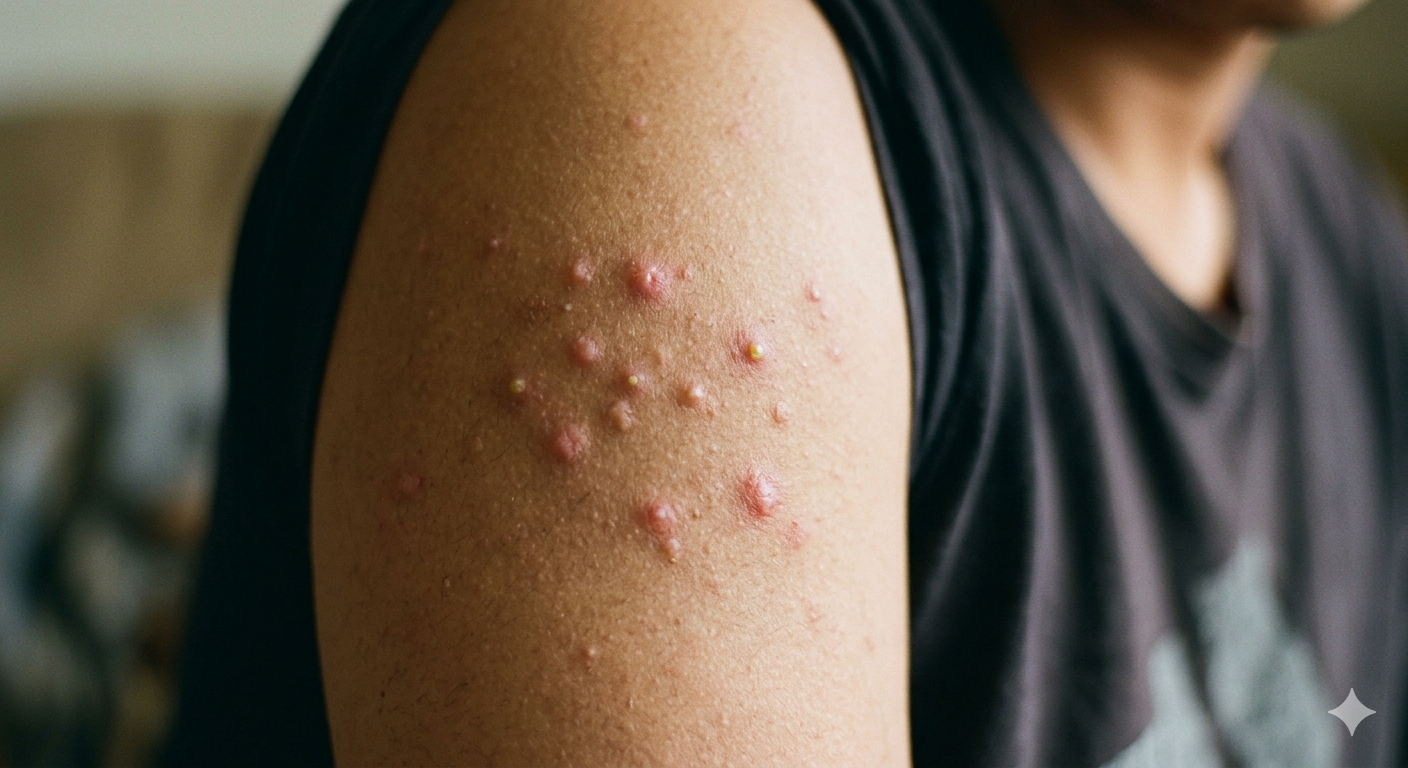
Why Some Skin Bumps Stay for Years While Others Disappear

Most people have experienced a small cut, insect bite, or minor skin injury at some point. In many cases, the skin heals completely and leaves little evidence behind. Occasionally, however, a firm bump develops and remains visible for years.
Sarah first noticed a small brown nodule on her lower leg after a mosquito bite during a summer holiday. She assumed it would eventually fade, but several years later the bump looked almost exactly the same. Although it wasn't painful, it often caught on clothing and became a cosmetic concern whenever she wore shorts.
Situations like Sarah's are surprisingly common and often lead people to seek answers about persistent skin growths and benign skin lesions.
What Causes Long-Lasting Skin Nodules?
Not every skin bump is a cause for concern. Many benign lesions develop as part of the body's natural healing process.
One example is a dermatofibroma, a harmless growth that forms when fibrous tissue accumulates within the deeper layers of the skin. While the exact cause isn't always clear, dermatologists frequently associate these lesions with minor skin trauma, including:
- Insect bites
- Small cuts and scratches
- Ingrown hairs
- Folliculitis
- Repeated skin irritation
Dermatofibromas are commonly found on the legs, arms, shoulders, and other exposed areas. They often appear as firm, round nodules with brown, reddish-brown, or pink colouring.
Unlike some temporary skin changes, these lesions may remain stable for many years.
Signs That Distinguish a Dermatofibroma
Several characteristics help healthcare professionals identify these growths during clinical examination.
Common features include:
- Firm texture when touched
- A slightly raised or dome-shaped appearance
- A dimpled effect when gently pinched
- Stable size over time
- Lack of significant symptoms beyond occasional tenderness
Because many skin conditions can appear similar, proper assessment remains important whenever a new lesion develops or an existing growth changes appearance.
When Cosmetic Concerns Become a Factor
Even though dermatofibromas are considered benign, they can still affect daily life.
Some people become self-conscious about visible lesions on the legs, arms, or hands. Others experience irritation during shaving, exercise, or when clothing repeatedly rubs against the affected area.
The decision to seek removal is often driven by factors such as:
- Cosmetic appearance
- Persistent discomfort
- Frequent irritation
- Uncertainty about diagnosis
- Difficulty monitoring the lesion
Modern dermatology offers several approaches for managing benign skin growths, including cryotherapy, laser procedures, and surgical excision depending on the lesion type, size, and location. Individuals considering treatment often choose to consult a dermatofibroma removal clinic to discuss the most appropriate option based on their specific circumstances.
Healthcare professionals typically evaluate the depth, appearance, and clinical history of a lesion before recommending the most appropriate treatment pathway.
Key Takeaways
Persistent skin bumps are not always a sign of a serious medical problem. Dermatofibromas are among the most common benign skin lesions and frequently develop after minor skin trauma.
While many remain unchanged for years and require no treatment, some individuals choose to explore removal options because of cosmetic concerns or ongoing irritation. Early assessment by a qualified professional can help distinguish harmless lesions from conditions that may require further investigation.
Paying attention to changes in size, colour, texture, or symptoms remains one of the most effective ways to maintain long-term skin health.